


What Is Fast Fashion and Why Is It Still a Problem in 2026?
Fast fashion is a high-volume, low-cost clothing production model that turns runway trends into retail products at speed, prioritising quantity over quality, and profit over the environmental and human cost of making clothes. It is still a problem in 2026 because the underlying business model has not meaningfully changed: brands produce more collections per year than ever, garments are worn fewer times before disposal, and textile waste continues to accumulate in landfill sites around the world.
If you've been trying to understand what fast fashion actually means, here it is plainly: clothes made fast, sold cheap, and designed to be replaced quickly. That cycle drives overproduction, underpaid labour, and enormous environmental damage.
The good news is that awareness is growing and alternatives exist. From secondhand shopping to buying fewer, better-made pieces, the opposite of fast fashion is increasingly accessible, affordable, and worth pursuing. This article covers the full picture: what fast fashion is, which brands qualify, what it costs the planet, and how to move away from it in practical terms.
---
What Is Fast Fashion and What Makes It Problematic?
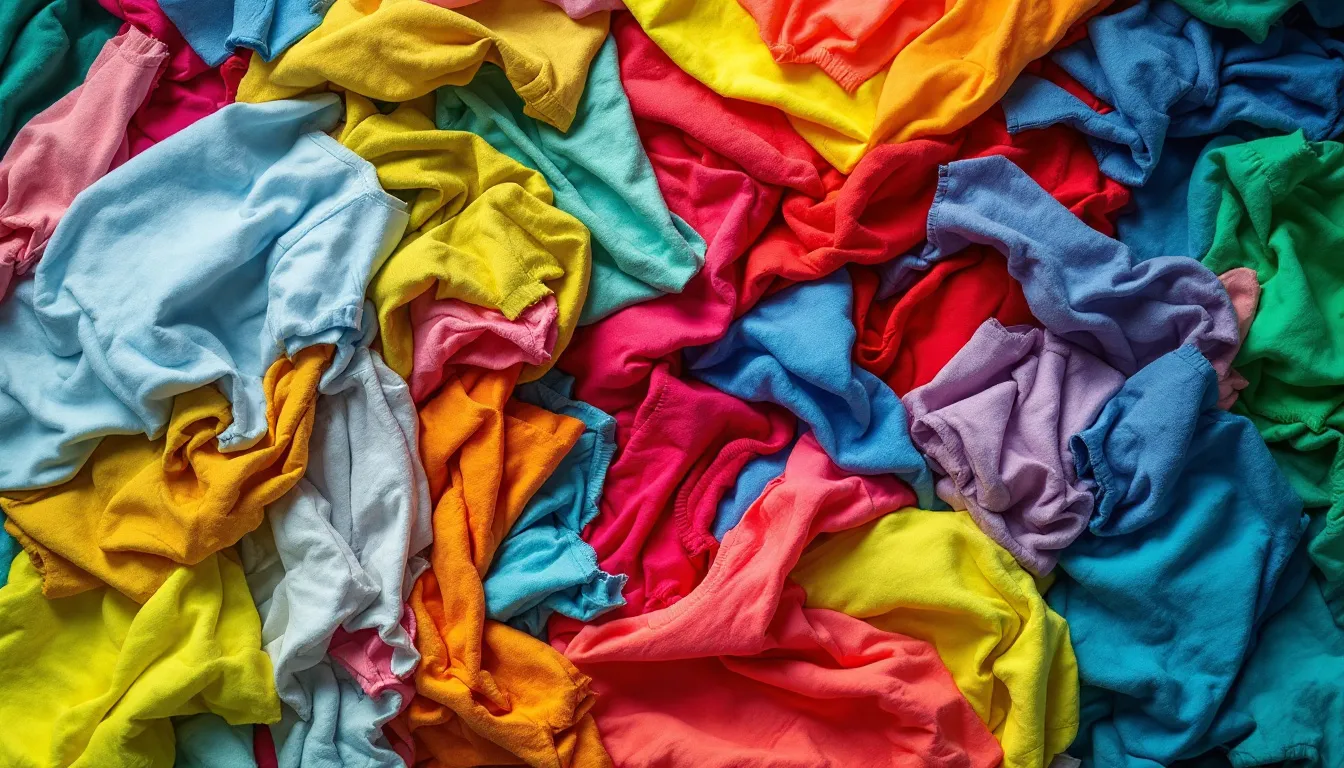
Fast fashion is problematic because it is built on a business model that externalises costs: the financial price stays low by pushing the real costs onto factory workers, waterways, and future generations. Think of it like a fast food meal. Cheap at the counter, but the hidden costs show up elsewhere.
The model works like this: a brand spots a trend, manufactures tens of thousands of units at speed (usually offshore, where labour costs are lower), sells them at low prices to encourage impulse buying, and relies on the trend dying quickly so you come back to buy again. The clothes are not designed to last. They are designed to be replaced.
This is where a common misconception needs addressing. Fast fashion does not simply mean "affordable clothing." Plenty of affordable clothing is made thoughtfully, with durable materials and fair wages. And not all expensive clothing is slow fashion. A luxury brand can still overproduce, use synthetic fibres, and operate unsustainable supply chains.
The real markers of fast fashion are: extremely rapid production cycles, disposable quality, trend-chasing at volume, and opacity around supply chains and labour practices.
Basics are no exception. Everyday staples like underwear, socks, and t-shirts are among the most frequently discarded clothing items precisely because shoppers treat them as throwaway purchases. Looking at sustainable clothing for men can help reframe even the most mundane wardrobe category as an opportunity for more intentional purchasing.
Fast fashion is not a moral failing in individual consumers. It is a structural feature of how most clothing retail currently operates. Understanding the model is the first step to opting out of it.
---
How Fast Fashion Took Over the Clothing Industry
Fast fashion took over because it cracked the retail code: give people more variety, faster, at lower prices, and repeat. The shift from traditional seasonal collections (two or four per year) to continuous, near-weekly drops began in the late 20th century and accelerated dramatically with the rise of online shopping and social media.
Traditional fashion ran on predictable cycles. Autumn/winter and spring/summer collections gave retailers and consumers a clear rhythm. When a handful of brands discovered they could shorten that cycle, replicate trends within weeks of them appearing on catwalks, and sell directly to mass markets, the race to the bottom on price and quality began.
Social media made it worse. Trends that might have lasted a season now expire in weeks. A style peaks on a social platform, gets copied by a fast fashion brand, appears in stores or online before the original designer's version even ships, and is declared passé before most people have worn it twice. The micro-trend cycle is now so compressed that some styles go from "everywhere" to "embarrassing" in under a month.
You don't need exact revenue figures to understand the scale. Walk into almost any shopping mall, open almost any mainstream retail app, and the evidence is visible: hundreds of new arrivals every single week, price points that suggest a t-shirt costs less to make than a cup of coffee, and seasonal sales that are functionally permanent.
The structural shift from seasonal to continuous production is the core of what makes modern fast fashion different from simply making affordable clothes. Volume and velocity are the defining features.
---
What Are the Environmental Impacts of Fast Fashion?
Fast fashion's environmental impacts span the full lifecycle of a garment: from raw material extraction through dyeing and manufacturing, to consumer use, and ultimately disposal. Each stage carries a measurable cost, and the collective weight of that cost across billions of garments per year is substantial.
Here are the primary environmental harms:
Water consumption and contamination. Textile dyeing and treatment processes use large volumes of water and often discharge chemically contaminated wastewater into local rivers and groundwater supplies. In regions with heavy garment manufacturing, this has contributed to serious water quality problems for local communities. Synthetic fibre pollution. The majority of fast fashion clothes use synthetic fabrics like polyester and nylon, which are derived from fossil fuels. These materials shed microplastic fibres during washing. Those microplastics enter waterways and eventually accumulate in marine ecosystems and, according to multiple environmental monitoring studies, in human tissue as well. Carbon emissions. Garment production, long-haul freight shipping, and the energy demands of textile factories all contribute to carbon output. The fashion sector broadly is considered a significant global emissions contributor, though precise percentages vary by source and methodology. Landfill waste. Because fast fashion clothes are designed with short lifespans, they end up in landfill faster. Synthetic fabrics do not biodegrade meaningfully. They simply persist. Shortened garment lifespan. Poor construction accelerates disposal. Weak seams, low-grade dyes, and thin fabrics mean garments fail faster. How quality stitching affects garment longevity is a useful lens here: construction details that seem minor directly determine whether a piece lasts months or years.The environmental cost of fast fashion is not evenly distributed. The communities closest to manufacturing tend to bear the brunt of pollution, while the consumers buying the clothes rarely see it.
---
How Does Fast Fashion Contribute to Pollution and Waste?
Fast fashion contributes to pollution and waste at every stage of production and disposal, but one of the most overlooked categories is basics: the underwear, socks, and everyday t-shirts that most people never think to buy thoughtfully.
The disposal problem is real. Many fast fashion garments are worn only a handful of times before being discarded. Charity shops in high-income countries are overwhelmed with donated fast fashion that cannot be resold because the quality is too poor. A significant proportion ends up in landfill or exported to secondary markets in lower-income countries, where it creates its own waste burden.
Synthetic fabrics compound the issue. A polyester brief or a cheap cotton-blend sock that falls apart after six washes does not disappear. It sits in landfill, potentially for decades.
The basics category is particularly problematic because it operates mostly below consumer awareness. People scrutinise the ethics of a coat purchase far more than a multipack of underwear bought on impulse. Yet the cumulative volume of discarded underwear, socks, and undershirts is enormous.
Choosing sustainable men's underwear made from natural fibers is one of the simplest, most overlooked switches you can make. Brands like TBô, which make boxer briefs from bamboo viscose with extended-wear durability in mind, represent the kind of alternative that makes the basics category a genuine choice rather than a default.
Reducing waste in this category doesn't require a dramatic overhaul. Buying fewer, more durable everyday basics is a practical starting point that most men find easy to maintain once they try it.
---
Is H&M Fast Fashion? Is Zara? What About TJ Maxx?
H&M and Zara are both fast fashion retailers. TJ Maxx is not, and that distinction matters. Many people conflate discount pricing with fast fashion, but the model is what defines it, not the price tag.
H&M pioneered the fast fashion model in European retail, building an entire operation around rapid trend replication and high-volume production. Zara, part of the Inditex group, is arguably the most technically advanced fast fashion operation in the world, famous for its ability to move a design from concept to store floor in under two weeks.
TJ Maxx operates differently. It is a discount retailer that sells surplus stock, overstocked items, and end-of-season goods from other brands at reduced prices. It does not produce clothes at volume or chase trends through its own manufacturing. Buying from TJ Maxx is closer to opportunistic secondhand-adjacent shopping than it is to participating in fast fashion production.
Here is a clear breakdown:
| Brand Type | Examples | How They Produce | What It Means for the Planet |
|---|---|---|---|
| Fast Fashion | H&M, Zara, Shein, Primark | Continuous high-volume collections, rapid trend cycles, offshore manufacturing | High waste, high emissions, water pollution, short garment lifespan |
| Mid-Market Mainstream | Gap, Uniqlo, M&S | Seasonal or moderate-volume collections, some sustainability initiatives | Variable; better than fast fashion but not without impact |
| Discount Resellers | TJ Maxx, Marshalls, TK Maxx | Sell surplus and overstock from other brands, no own production | Lower net impact; no new production, though sources vary |
| Secondhand/Thrift | Depop, ThredUp, local thrift | No new production, resell existing garments | Lowest impact; extends garment lifecycle |
| Slow Fashion/DTC | TBô, small independent labels | Low-volume, quality-focused, often natural materials | Lower impact; built for longevity over turnover |
If you're actively trying to reduce your fast fashion consumption, online thrift stores as an alternative offer a practical entry point that doesn't require spending more to shop better.
The TJ Maxx confusion is understandable. Cheap prices feel like fast fashion. But the mechanism is different, and that mechanism is what drives the environmental harm.
---
How Does Fast Fashion Differ From Slow Fashion?
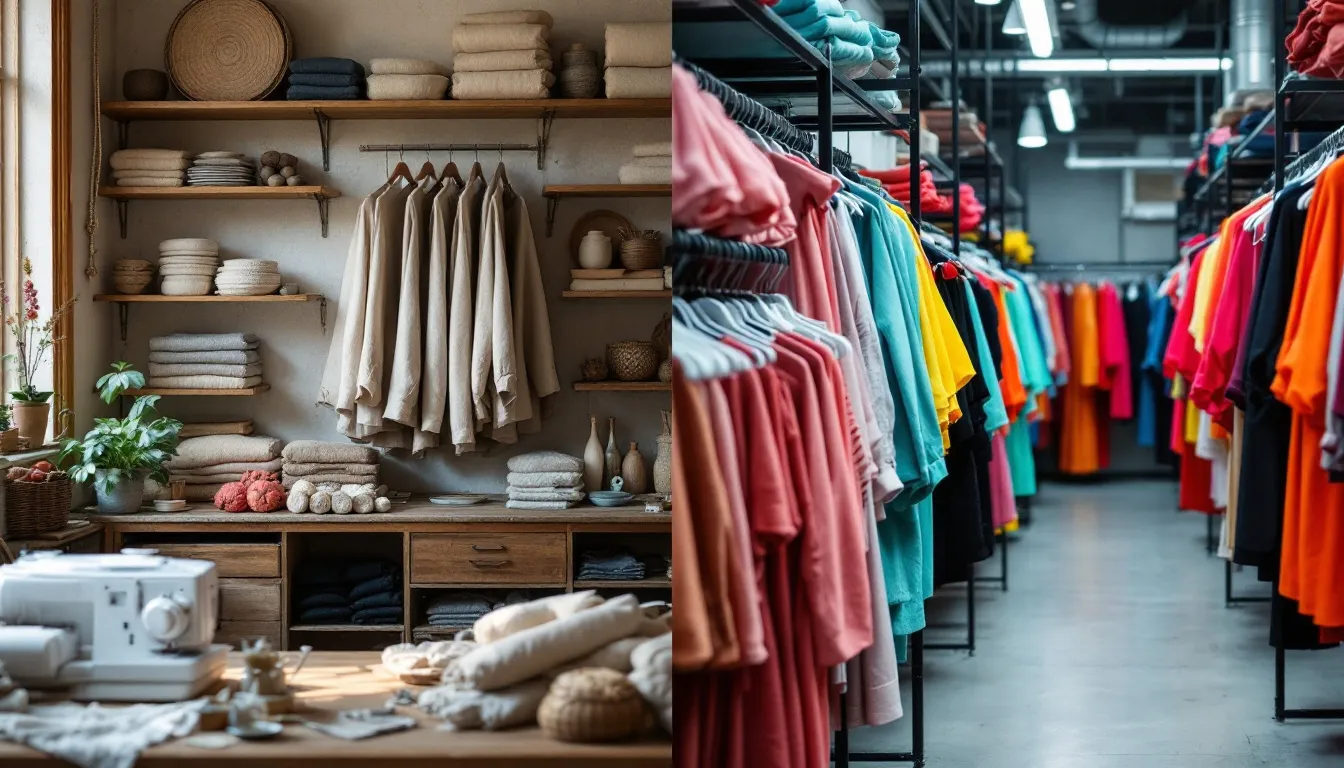
Fast fashion prioritises speed, volume, and low upfront cost. Slow fashion prioritises durability, ethical production, and long-term value. The two models represent fundamentally different philosophies about what clothes are for.
Slow fashion is not a premium-only category. That is another misconception worth correcting. Sustainable clothing, plainly defined, means clothing produced in ways that reduce environmental harm and respect the people making it, at a price point that can realistically be maintained over time. Some sustainable brands are expensive. Many are not.
The opposite of fast fashion looks like: fewer purchases made more deliberately, materials chosen for longevity rather than trend, and brands selected based on how they operate, not just how they market themselves."What is meant by sustainable clothing" is a question that comes up often, and the clearest answer is this: sustainable clothing is apparel designed and produced with minimised environmental impact across its full lifecycle, from raw material to disposal. That includes the fabric, the factory conditions, the dyeing process, the durability of the garment, and what happens to it when you're done wearing it.
Applied to everyday basics, this means choosing underwear made from natural or responsibly sourced fibres over synthetic multipacks. TBô's bamboo boxer briefs are one example of slow fashion applied to a category most men never think to shop mindfully. Sustainable men's underwear is a practical, low-friction place to start.
Slow fashion is a different relationship with clothes. Not abstinence. Just attention.
---
Where Can You Find Quality Essentials That Aren't Fast Fashion?
Quality non-fast-fashion essentials are more accessible in 2026 than ever before, and the objection that they're out of reach financially is less true than it used to be. The key is shifting from cost-per-item thinking to cost-per-wear thinking.
A pair of underwear that costs £8 but lasts six months costs more per day of wear than a pair that costs £20 but lasts three years. That arithmetic applies to almost every wardrobe category. Fast fashion looks cheap until you factor in the replacement cycle.
Here's where to look:
Secondhand and resale platforms. Online thrift stores in the USA like ThredUp, Poshmark, and The RealReal have matured considerably. You can find quality, durable items at low prices without participating in new production. Direct-to-consumer basics brands. DTC brands that specialise in a narrow range of products tend to invest more per item in fabric quality and construction. TBô is one example: bamboo viscose boxer briefs built for durability, breathability, and repeated washing, sold directly without retail markup. That's the model. Buy-less, buy-better for travel and activity. If you're building a capsule wardrobe for trips or the gym, the principle is the same. Building a smarter packing list and investing in quality gym bag essentials both work on cost-per-wear logic: a few well-made pieces outperform a bag full of disposable ones.The barrier to entry for non-fast-fashion shopping is lower than it feels. Start with the category you replace most often, and apply the cost-per-wear test once.
---
Fast Fashion: Frequently Asked Questions
These are the questions most commonly asked about fast fashion, answered concisely for clarity and search relevance.
What is fast fashion and what makes it problematic?
Fast fashion is a high-volume clothing production model that replicates trends rapidly at low cost, prioritising speed and turnover over garment quality, environmental responsibility, and fair labour conditions. It's problematic because the business model externalises costs: low prices for consumers translate to high costs for factory workers, waterways, and the climate. The short garment lifespan means continuous overproduction and waste.
Is H&M classified as a fast fashion retailer?
Yes, H&M is one of the defining examples of a fast fashion retailer. The brand built its global operation on continuous new collections, rapid trend replication, and high-volume offshore manufacturing. H&M has introduced some sustainability initiatives, but its core business model remains fast fashion.
Does Zara fall under the fast fashion category?
Yes, Zara is a fast fashion brand. Part of the Inditex group, Zara is widely cited as the most operationally efficient fast fashion company in the world, capable of moving a design from concept to store in under two weeks. That speed is the defining characteristic of the fast fashion model.
Is TJ Maxx considered a fast fashion brand?
No, TJ Maxx is not a fast fashion brand. It is a discount retailer that sells surplus, overstock, and end-of-season goods from other brands at reduced prices. TJ Maxx does not manufacture clothing or run its own production lines, so it does not drive the overproduction that defines fast fashion. Buying discounted surplus stock carries a lower environmental footprint than buying newly produced fast fashion items.
What are the environmental impacts of fast fashion?
Fast fashion contributes to water contamination from textile dyes, microplastic pollution from synthetic fabrics shed during washing, carbon emissions from manufacturing and freight, and enormous volumes of landfill waste from discarded garments. These impacts accumulate across billions of garments annually and are disproportionately felt in manufacturing regions.
How does fast fashion contribute to pollution and waste?
Fast fashion clothes are designed with short lifespans, so they're discarded quickly. Synthetic fabrics don't biodegrade in landfill. Charitable donation systems are overwhelmed by donated fast fashion that's too poor in quality to resell. Even basics categories like underwear contribute significantly to textile waste because shoppers buy and dispose of them without much consideration.
How does fast fashion differ from slow fashion?
Fast fashion optimises for speed, volume, and low upfront cost. Slow fashion optimises for durability, ethical production, and long-term value. What the opposite of fast fashion looks like in practice is fewer, better purchases made with attention to how and where garments are made, rather than how cheaply they can be acquired.
What alternatives exist to fast fashion retailers?
Alternatives include secondhand and resale platforms, DTC brands with quality-focused production, charity shops, clothing swaps, and rental services. Online thrift stores worth exploring have matured significantly and offer quality items at accessible prices. The simplest alternative is buying fewer items and choosing them more carefully.
What is the opposite approach to fast fashion?
The opposite of fast fashion is slow fashion: a deliberate, quality-over-quantity approach to clothing that values durability, ethical production, and minimal environmental impact. It is not necessarily expensive. It is a different relationship with clothes, defined by intention rather than volume.
Where can people find quality essentials that aren't fast fashion?
Secondhand platforms, DTC basics brands, and independent slow fashion labels are all viable sources. For everyday essentials like underwear and t-shirts, DTC brands that specialise in a small range of well-made pieces using natural materials offer a practical alternative to fast fashion multipacks. The cost-per-wear calculation usually favours the higher-quality option over time.
---
The Bottom Line on Fast Fashion in 2026
Fast fashion is not going away quietly, but the tools to opt out of it are more accessible than ever. The model is clear: high volume, low quality, rapid disposal. The costs are real: environmental damage, labour exploitation, and a wardrobe full of things that don't last.
You don't need to overhaul your entire closet overnight. The cost-per-wear shift in thinking is enough to start making different decisions, one purchase at a time. Basics are an underrated starting point because they're replaced frequently and bought without much scrutiny. That's exactly where intentional choices make the most difference.
If you're ready to start somewhere concrete, explore sustainable men's basics worth switching to or take a broader look at dressing with purpose instead. Neither requires you to spend more overall. Just spend more attention. Your wardrobe, and the planet, will notice.
0 comments