


Sustainable clothing is apparel designed, produced, and worn in ways that minimize harm to the environment, protect workers throughout the supply chain, and encourage garments that last years, not seasons. Simple idea. The reality? Messier.
Most brands on the market today nail one or two of those criteria while quietly ignoring the rest. A brand might tout organic cotton but operate factories with questionable labor standards. Another slaps "eco-friendly" on the packaging and calls it a day. This guide cuts through that noise. You'll get a plain-English breakdown of sustainable fabrics worth your money, certifications that actually mean something, how to spot greenwashing before you spend, and why understanding the opposite of fast fashion matters before your next purchase.
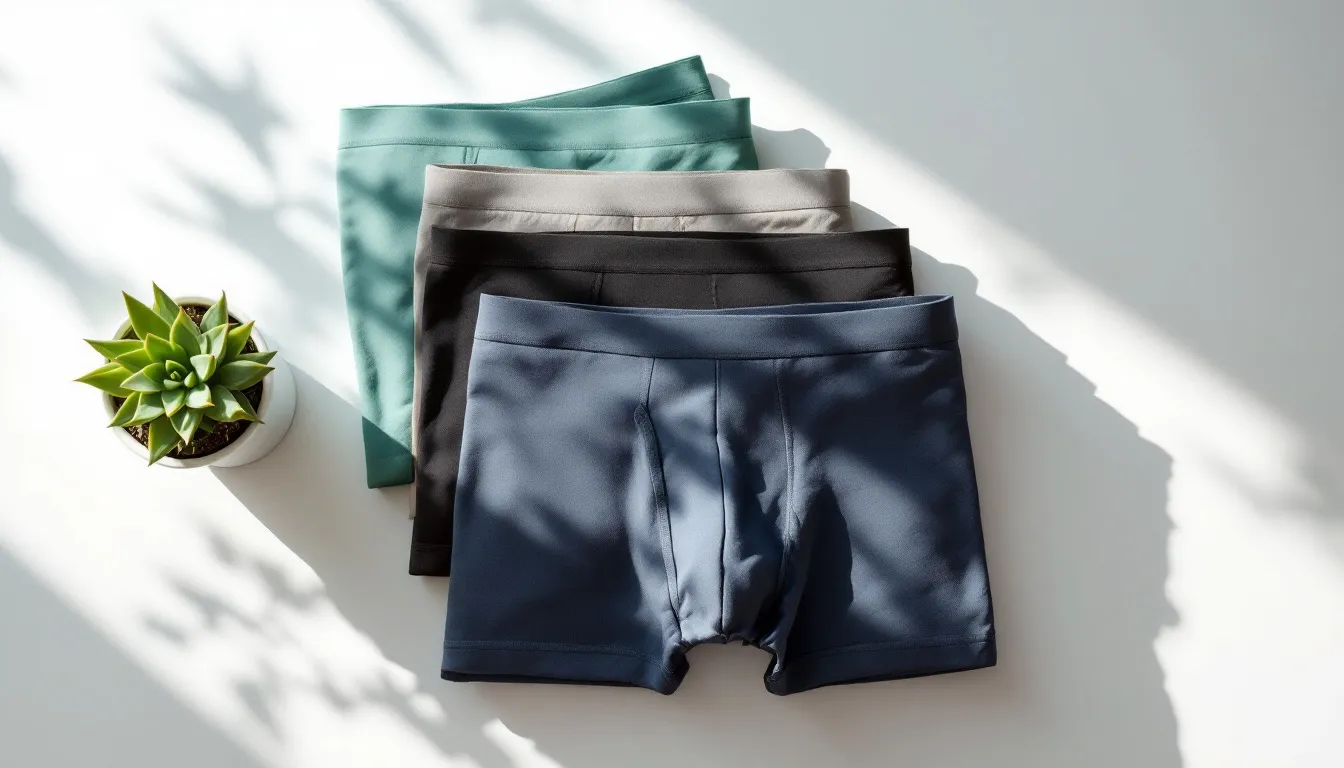
Sustainable clothing isn't a single material or a trendy label. It's a set of choices made across design, manufacturing, and how long you actually wear the thing.
What Does Sustainable Clothing Mean, Really?
Sustainable clothing means garments that cause less harm across their entire lifecycle: from raw material to factory floor to how long you keep them in rotation. It's not about slapping "eco" on the hangtag or using natural fibers as a get-out-of-jail-free card.
Three pillars define genuinely sustainable clothing:
Environmental impact. Water use, chemical pollution, carbon emissions in production and shipping, and what happens when the garment reaches end of life. A plant-based fabric can still be deeply unsustainable if it requires heavy chemical processing or travels halfway around the world in a cargo plane that burns fuel like it's free. Social responsibility. Who made it, and under what conditions? Genuine sustainability includes fair wages, safe working environments, and supply chains you can actually trace. A "green" brand that can't name its factories is telling you something important: it's cutting corners on the part of the story that matters to the people involved. Longevity and circularity. The most sustainable garment is the one you wear for years, not one you bin after a season. Quality construction, durable materials, and designs that don't look dated in six months all matter here. Natural does not equal sustainable. Conventional cotton is notoriously water-intensive and one of the thirstiest crops in textile farming. It also relies heavily on pesticides. Linen, wool, and bamboo all have genuine sustainability credentials, but processing methods matter enormously. Bamboo grows with minimal water and zero pesticides, but converting it into soft viscose fabric varies widely in environmental impact depending on who's doing the processing. [CITATION: textile industry water use and cotton cultivation environmental impact data]The lesson: look at the whole picture, not just the raw material. Pairing fabric choice with certifications and brand transparency gives you a far more accurate read on whether a garment truly qualifies as sustainable clothing.
What Materials Are Used in Sustainable Clothing? A Fabric Breakdown
The most sustainable materials combine low environmental impact during growth, responsible processing, durability in use, and either biodegradability or recyclability at end of life. No single fabric hits every mark perfectly, which is why context matters.
| Fabric | Sustainability Strengths | Key Drawbacks | Best For |
|---|---|---|---|
| Bamboo viscose | Grows fast with minimal water, no pesticides needed, soft on skin, naturally moisture-wicking and odor-resistant | Chemical processing required to convert bamboo to fiber; quality of processing varies by manufacturer | Underwear, base layers, everyday basics |
| Organic cotton | No synthetic pesticides or fertilizers, biodegradable, widely certified (GOTS) | Still water-intensive compared to bamboo or linen; requires verified certification to trust | T-shirts, casual wear, bedding |
| Recycled polyester (rPET) | Diverts plastic bottles from landfill, uses less energy than virgin polyester | Not biodegradable; still sheds microplastics with every wash | Activewear, outerwear, swimwear |
| Linen (flax) | Grows with little water, minimal processing required, durable and biodegradable | Wrinkles easily, less soft than bamboo or cotton against skin | Shirts, trousers, summer clothing |
| Tencel (lyocell) | Closed-loop production process recycles water and solvents, sustainably sourced wood pulp | Requires careful washing; can pill if low quality | Shirts, dresses, light layering |
| Hemp | Extremely low water and pesticide needs, improves soil health, durable | Can feel coarse without blending; limited mainstream availability | Outerwear, bags, sturdy casual wear |
| Conventional polyester | Low cost, widely available, durable | Derived from fossil fuels, not biodegradable, sheds microplastics | Best avoided for sustainable wardrobes |
 Bamboo viscose deserves a closer look. Bamboo is one of the fastest-growing plants on earth. It needs no irrigation beyond rainfall in most growing regions and naturally resists pests, eliminating the need for pesticides across most cultivation. The resulting fiber, when produced responsibly, is exceptionally soft, moisture-wicking, and naturally odor-resistant. That's why it performs so well in close-contact garments like underwear and base layers. TBô builds boxer briefs and trunks from bamboo viscose for exactly these reasons: the fabric moves moisture away from skin efficiently, stays fresher longer between washes, and is gentle enough for sensitive skin.
One thing to know about bamboo viscose: the sustainability of the finished fabric depends heavily on how the bamboo is processed. Closed-loop or low-impact processing methods are more environmentally responsible than conventional viscose processing. If a brand is serious about sustainability, they'll tell you about their processing approach, not just that their product is "made from bamboo."
Recycled polyester has real trade-offs. Diverting plastic bottles from landfill is genuinely positive. But rPET still releases microplastic fibers in the wash, those microplastics enter waterways, and the fabric isn't biodegradable. For activewear and outerwear, rPET is often the best available option. For everyday basics worn directly against skin, bamboo viscose tends to outperform synthetic blends on both comfort and sustainability metrics.


The Black Long John Set 3-Pack
Bamboo fabric offers sustainable comfort without harmful environmental impact.
$134.91
Shop Now →Certifications Worth Trusting (and What They Actually Mean)
A handful of third-party certifications genuinely mean something. They require independent audits, ongoing compliance, and real standards, not just a brand's word. Know which ones to look for, and you'll filter out greenwashing noise fast.
OEKO-TEX Standard 100. This certification tests the finished fabric for harmful chemicals: pesticides, heavy metals, formaldehyde. If a garment carries OEKO-TEX 100 certification, the fabric has been tested and confirmed safe for skin contact. It doesn't certify farming or labor practices, but it's a solid baseline for anyone concerned about chemical exposure in clothing worn all day. GOTS (Global Organic Textile Standard). GOTS covers both the organic growing of fibers and the processing chain. To earn certification, at least 70% of the fiber must be organic, and the whole processing chain must meet environmental and social criteria. It's one of the more rigorous certifications available, and it actually means the organic claim has been verified. Bluesign. This certification focuses on the manufacturing process itself: responsible use of water, energy, and chemicals in textile mills. If a fabric is Bluesign-approved, the factory producing it has met high environmental standards. It's particularly relevant for technical fabrics and synthetic blends. Fair Trade Certified. Fair Trade certification focuses on social sustainability: fair wages, safe working conditions, and community investment for workers. It doesn't certify environmental practices alone, but paired with a fabric certification, it gives you a more complete picture.
Certifications are verifiable. Before taking a brand's word for it, check whether the certification body's website lists them as an active licensee. Informed shoppers verify directly on the certifier's registry, not the brand's marketing page.
No certification covers everything. Use them as one input, alongside brand transparency, material sourcing information, and your own judgment.
How to Spot Greenwashing Before You Spend a Penny
Greenwashing is when a brand's environmental claims are more about marketing than reality. You can spot it reliably by knowing five common patterns. They appear across the industry, from fast fashion giants to newer "eco" startups.
Five greenwashing red flags to watch for:- Vague language with no specifics. Words like "conscious," "eco-friendly," or "green" without any supporting data, certifications, or material breakdown are decoration, not evidence.
- Single-attribute claims. A brand that promotes one sustainable feature (recycled packaging) while ignoring its entire production footprint is selectively sharing the flattering parts of the story.
- Unverified organic or natural claims. "Made from natural fibers" means nothing on its own. Natural fibers can be grown with heavy chemical inputs. Look for certified organic claims backed by GOTS or an equivalent standard.
- No supply chain transparency. A genuinely sustainable brand can tell you where its fabric is made, where its garments are sewn, and under what labor conditions. If a brand's sustainability page has no factory names or production details, that gap is significant.
- Sustainability theater. Brands that plant a tree for every order, use brown paper packaging, or adopt green color palettes while continuing to produce cheap, disposable garments are using optics as a substitute for substance.
First, look for third-party certifications and verify them on the certifier's own website. Second, read the materials section closely. A brand serious about sustainability explains its fabrics in detail, including processing methods. Third, check for supply chain information: factory names, country of manufacture, labor policy.
On affordability: sustainable clothing doesn't have to mean expensive clothing. Brands doing the opposite of fast fashion that sell direct to customers cut out wholesale markups and pass savings directly to you. Quality bamboo basics often cost less per wear over their lifespan than cheap alternatives that pill, shrink, or lose their shape after a few washes.


The Bamboo Toothbrush
Eco-friendly bamboo toothbrush proves sustainable choices extend beyond clothing.
$4.99$3.99
Shop Now →What Are the 7 Forms of Sustainable Fashion?
The seven forms of sustainable fashion describe different strategies for making fashion more ethical and environmentally responsible. No single form is the answer alone. A genuinely sustainable wardrobe tends to draw from several simultaneously.
1. Slow fashion. Buy fewer, better-made items and keep them longer. Slow fashion is the philosophical opposite of haul culture and buying sprees that empty your bank account and your closet space. Practically: instead of buying ten cheap T-shirts in a season, buy three well-constructed ones from a transparent brand and wear each one for years. Bamboo basics from a quality DTC brand fit squarely into this approach. 2. Secondhand and vintage. Buying pre-owned clothing extends garment life and reduces demand for new production. Practically: build a habit of checking online thrift stores before buying anything new. Outerwear, jeans, and shirts often hold up brilliantly secondhand. 3. Ethical production. Supporting brands that pay fair wages, maintain safe factories, and can trace their supply chains. Practically: look for Fair Trade certification or brands that publish factory names and audit results. Choosing sustainable underwear from a brand built on transparency is a concrete application of this form. 4. Circular fashion. Designing garments to be recycled, composted, or returned at end of life. Practically: look for brands with take-back programs, or choose biodegradable natural fibers over synthetic blends when longevity and end-of-life outcomes matter. 5. Vegan fashion. Avoiding animal-derived materials like leather, wool, and down. Practically: check labels carefully, as animal products appear across many categories including accessories and outerwear. 6. Minimalism. Curating a smaller, more intentional wardrobe of versatile pieces. Practically: a capsule wardrobe reduces both spending and waste. Quality basics in neutral tones serve multiple contexts and last longer than trend-driven pieces. 7. Local and artisanal production. Supporting shorter supply chains and traditional craft. Practically: buying from local designers or brands that manufacture domestically reduces shipping emissions and supports craft traditions. Check where a brand's garments are actually produced, not just where it's headquartered.

What Is the 3-3-3 Rule for Men's Clothing?
The 3-3-3 rule is a wardrobe concept: build around 3 categories, with 3 items in each, designed to be worn across 3 different occasions. The exact interpretation varies, but the logic is consistent: fewer, better items used more intentionally create less waste than a bloated closet of seldom-worn pieces.
Applied to sustainability, the rule is powerful. Every item you own but rarely wear represents resources spent for minimal benefit. Three high-quality boxer briefs worn in rotation and washed regularly will outlast a dozen cheap pairs bought impulsively, especially if they're made from durable bamboo viscose that holds its shape wash after wash.
For men building a practical sustainable wardrobe, the rule works at the basics level first. Three pairs of quality underwear, three versatile T-shirts, three pairs of trousers that cover casual, smart-casual, and work contexts. Start there. Underwear is the category where most men buy cheap and replace often, which is exactly where the 3-3-3 logic pays off most. A 3-pack from a quality brand is the 3-3-3 rule in a single purchase.


Where Can You Buy Sustainable Clothing Online?
You can buy sustainable clothing online through DTC brand websites, certified marketplace platforms, and secondhand resale sites. Each channel has different vetting requirements, and knowing what to look for in each saves you from greenwashed purchases.
DTC brand websites are often the most transparent option. Brands selling directly to customers control their own narrative and, if they're doing things right, publish material sourcing, factory information, and certification details. DTC also eliminates wholesale markup, which is why genuinely sustainable basics can be more affordable here than the "sustainable = expensive" assumption suggests. Certified marketplace platforms aggregate multiple sustainable brands under one roof. Reputable ones require brands to meet minimum environmental or ethical standards before listing. The vetting varies, so check what the platform's standards actually require before treating every listing as equally sustainable. Secondhand and resale platforms are the highest-sustainability option by definition. No new production is required. Most allow you to search by brand, size, and condition. For outerwear, denim, and shirts, secondhand is often the smartest sustainable choice. A practical affordability note. Sustainable clothing carries a reputation for being expensive. The honest answer: it depends on where you're buying and what you're comparing it to. DTC brands that cut out middlemen and produce in honest volumes often price their basics competitively. Cost-per-wear matters more than sticker price: a pair of bamboo boxer briefs that last two years at $25 is better value than a $10 pair replaced every three months. Whether you're refreshing your everyday basics or packing sustainable options for a beach vacation, the math usually favors quality.TBô ships internationally directly from its DTC platform, with dual EU/US sizing, so you're not limited by geography when looking for quality bamboo basics.


Is Pure Cotton a Sustainable Material?
Pure cotton is not automatically sustainable. The honest verdict: it depends entirely on how it was grown and processed. Conventional cotton is one of the thirstiest crops in textile farming and relies heavily on synthetic pesticides and fertilizers across most of the world's cotton-growing regions.
Organic cotton is a genuine improvement. It's grown without synthetic chemicals, is biodegradable, and is widely certified by GOTS or the Organic Content Standard (OCS). But it still requires significantly more water than alternatives like bamboo or linen. And here's the certification gap: a garment labeled "organic cotton" without a third-party certification is making an unverified claim. The cotton may have been grown conventionally and simply marketed otherwise.
For men's everyday basics, conventional cotton also tends to hold moisture longer than bamboo viscose, which means it takes longer to dry and is less effective at managing sweat during active use. Organic cotton T-shirts and casual shirts are solid sustainable choices when certified. For underwear and base layers, bamboo viscose outperforms cotton on moisture management, odor resistance, and water efficiency during cultivation.
The bottom line on cotton: certified organic cotton is a reasonable sustainable choice in the right application. Conventional cotton, regardless of how soft or natural it feels, doesn't qualify. Bamboo outperforms cotton for men's underwear because of performance and cultivation impact combined.
Frequently Asked Questions About Sustainable Clothing
What does sustainable clothing mean?
Sustainable clothing is apparel made with lower environmental impact, ethical labor practices, and longer intended use in mind. It covers raw material sourcing, factory conditions, and end-of-life outcomes. It's not defined by a single material or marketing label.
Which clothing brand is most sustainable?
No single brand holds a universally agreed title as the most sustainable. Sustainability is multidimensional: a brand might lead on materials but lag on labor practices. Look for brands that publish supply chain details, hold third-party certifications, and operate transparently. TBô is an example of a DTC brand built around bamboo viscose, honest sizing, and community co-creation, but apply the same verification standards to any brand you consider.
Is pure cotton a sustainable material?
Conventional cotton is not sustainable: it's among the thirstiest crops in textile farming and relies heavily on pesticides. Certified organic cotton is a meaningful improvement but still requires more water than alternatives like bamboo. Always look for GOTS certification before trusting an organic cotton claim.
What ethical alternatives exist to fast fashion retailers?
DTC sustainable brands, certified ethical marketplaces, and secondhand resale platforms are the three main alternatives. Each has different vetting standards. Buying fewer, higher-quality items from transparent brands is the most direct way to step off the fast fashion cycle.
What materials are used in sustainable clothing?
The most widely recognized sustainable fabrics include bamboo viscose, organic cotton, Tencel (lyocell), linen, hemp, and recycled polyester (rPET). Each has trade-offs; bamboo and linen tend to score strongly on cultivation impact, while Tencel is noted for its closed-loop processing.
Where can someone find sustainable clothing stores locally?
Local options vary enormously by city. Search for certified B Corporation retailers in your area, check whether any local boutiques carry GOTS or OEKO-TEX-certified brands, and use thrift and vintage stores as the highest-sustainability local option. Many DTC sustainable brands also ship internationally, removing the need for a local store.
What are the 7 forms of sustainable fashion?
The seven forms are: slow fashion, secondhand/vintage, ethical production, circular fashion, vegan fashion, minimalism, and local/artisanal production. Each represents a different strategy; a genuinely sustainable wardrobe tends to draw from several simultaneously.
What is the 3-3-3 rule for men's clothing?
The 3-3-3 rule is a wardrobe strategy built around 3 categories, 3 items each, for 3 occasions. Applied sustainably, it means buying fewer, better-made pieces used more intentionally, reducing both consumption and textile waste. For men, starting with three pairs of quality underwear in daily rotation is a practical first application of the rule.
The Bottom Line on Sustainable Clothing
Sustainable clothing is about the whole picture: materials, manufacturing, labor, and longevity. The three most actionable steps you can take right now are to check certifications before trusting a brand's claims, prioritize fabrics with proven sustainability credentials like bamboo viscose or certified organic cotton, and apply the 3-3-3 logic to your basics drawer first.
Start small. Start at the layer closest to your skin. Underwear is worn every day, washed regularly, and replaced often enough that the material choice compounds over time. Getting that layer right is the highest-impact, lowest-effort entry point into a more sustainable wardrobe.
Quality sustainable basics to pack in your gym bag or wear through a normal workday shouldn't require compromise on comfort, fit, or value. Explore TBô's full range of sustainable men's underwear and see what bamboo viscose actually feels like against your skin. You'll understand the upgrade immediately.

0 comments